A few nights ago, your writer involuntarily hosted a full-grown pair of chattering-snarling raccoons (Procyon lotor, subsp. Psora), this year’s generation of the familiar mammal. They are not a surviving population of a native, nocturnal species, but feral escapees or irresponsibly-abandoned animals now free to maraud the human habitations of our fair city, leaving destruction in their wake. Who’s to blame?
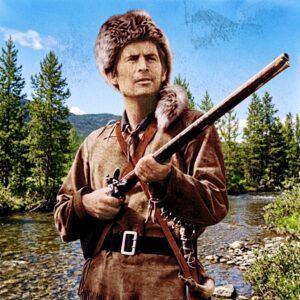
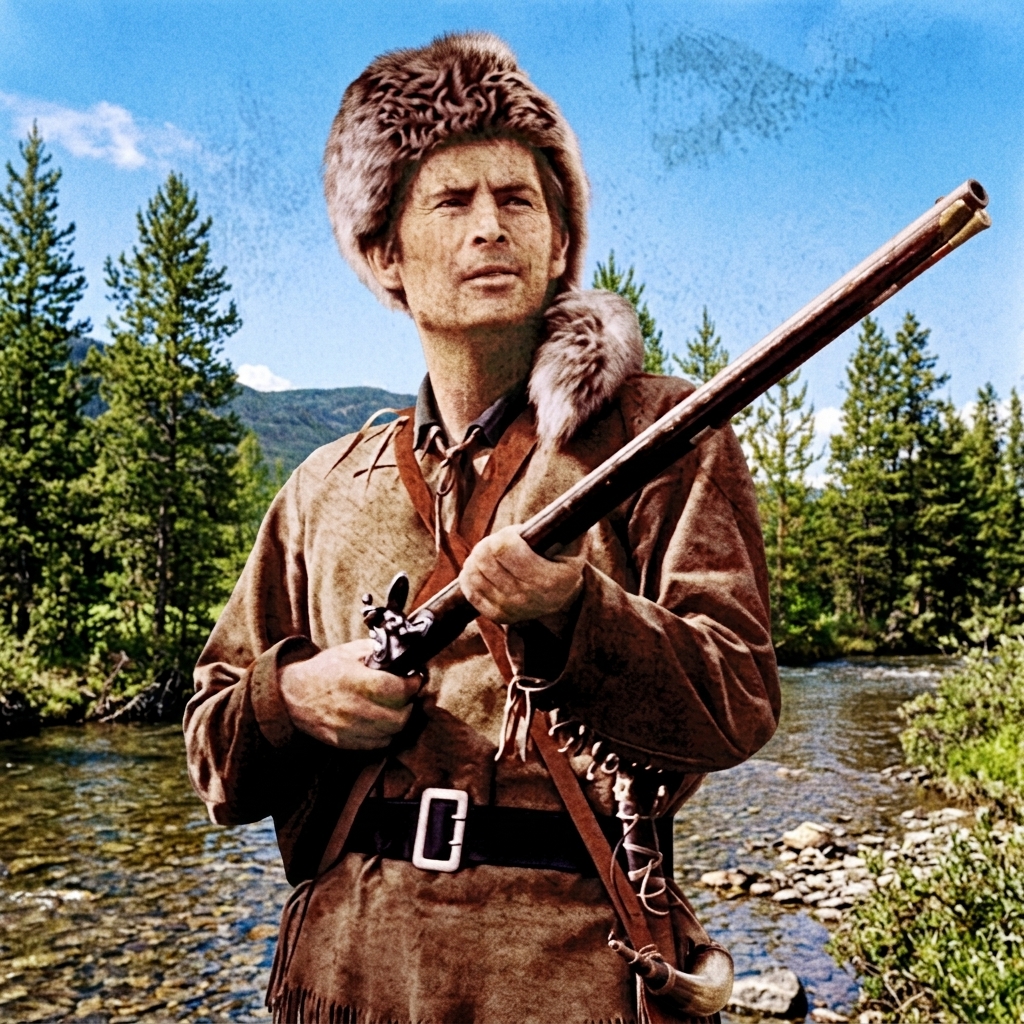
At a pivotal moment in the expansion of his business “Kingdom,” Walt Disney entered into an agreement with the ABC (American Broadcasting Company) Network to manufacture a weekly, hour-long TV program aimed at family audiences with an emphasis on its appeal to children. This commitment enabled the Walt Disney Company to secure much of the needed capital to build the first-of-its-kind amusement park in Anaheim, CA. From the beginning, Walt and his creative team envisioned one of the divisions of the park to be themed on the folktales and legends arising from the spread of the American people beyond the borders of the original thirteen colonies into newly acquired territory – eventually from the Atlantic to the Pacific. When producer Bill Walsh presented Disney with a concept for a series for the program based on Davy Crockett, a figure who stood out as both an historical- and a mythic character (still the subject of debate), he embraced the idea and put the full power of his studio behind it. The series was divided into two separate segments: the life of Crockett as a frontiersman – from indian fighter to Congressman to hero of the Alamo, and Crockett versus river pirates on the Ohio. The broadcasts in 1954~55 were so popular, they started a national craze and set off a merchandising bonanza of Davy Crockett toys and related items for the Disney Company, as well as unlicensed imitators. Coonskin caps were, far-and-away, the most popular item offered to Crockett fans. Kids wore them to school. Designs created for the series films infused the original format of Frontierland, presented to the public with its companion themed “Lands” when Disneyland opened in July, 1955. Curiously, though Davy’s friendly rival, Mike Fink, lent his name to the Keel Boat ride from 1956 to 1997, Davy was not similarly honored until the Indian War Canoes were relabeled the Davy Crockett Explorer Canoes in 1971.
During the craze, the treasured coonskin caps were usually made from lined fake fur or plush. A real raccoon tail was attached. A white faux fur version was marketed for girls in those bygone days when an unenlightened society held rigid rules for gender distinction, though many free-spirited young ladies could be found beneath real tails.
In present environmental circumstances, some of us Hawthorne residents will long for a revived commercial demand for raccoon pelts — a renewed popularity of the story of Davy Crockett or even a resurrection of the de rigueur fur coat for a Flaming Youth of the 1920s would help.